The Novel (2026)
Across the volcanic geology of Pithekoussai and through the political weather of late Cold War Naples, the novel holds an Iron Age homestead and its inheritors against the institutional pressures of a country still arguing with its own past. The cover argues through cartography: the sheet reference, MZV-09 / 1986, locates the story in a real grid of latitude and longitude while the central disc is stamped and withdrawn from circulation.
Formats, ordering, and reading copies are available at BolesBooks.com.
The Screenplay (1990)
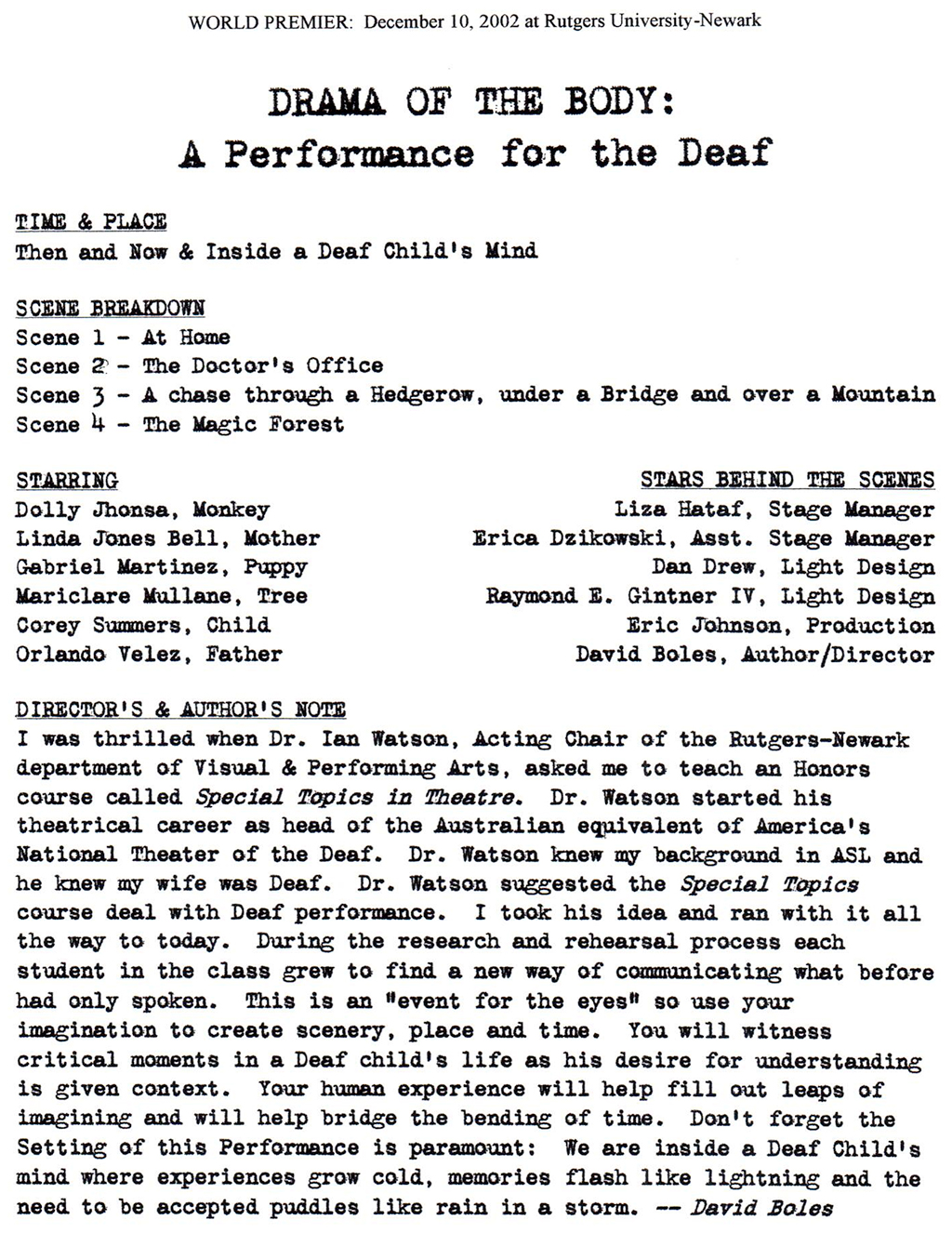
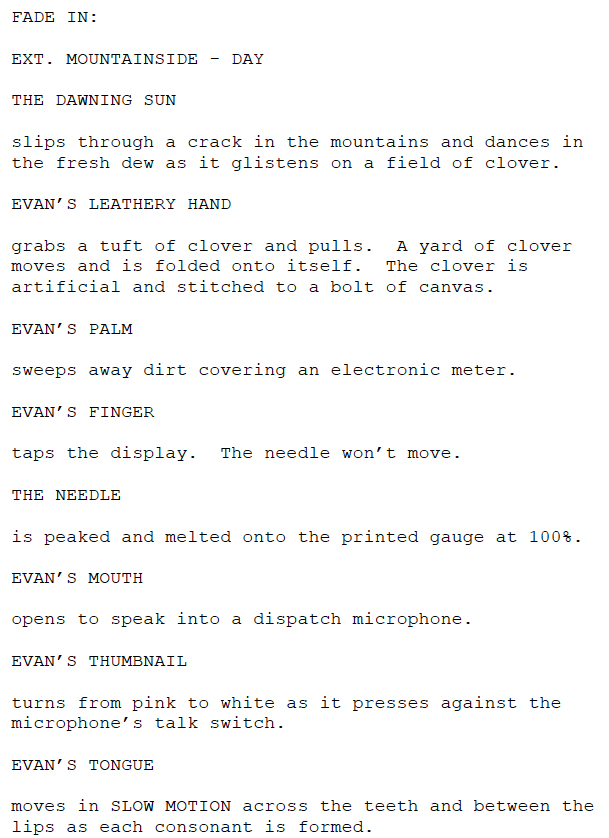
The screenplay survives intact as the seed text. It carries the original premise, the cast of inheritors, and the first articulation of an island that refuses to surrender its earlier centuries. Touch the page below to download the full script file.
The Founding Contract (1989)
Before the screenplay there was a contract. In the autumn of 1989, Columbia's School of the Arts approved an Individual Research Writing Project in Theater, the independent study under which the script was written for graduate credit. The agreement names the work by its first title, The Iron Age Now, and sets the premise on a farm in Sweden, where scientists have renounced the twentieth century to live inside a reconstructed Iron Age and a murder committed with a nineteenth-century rifle breaks the experiment open. Ischia, the cesium, and the cockpit transmission came later. The skeleton was already on the page.
Three names sign the page. Grafton Nunes, then associate dean of the School of the Arts, reviewed the pages, championed the project, and called it the best student work he had ever read. The dean of the School in those years was Peter Smith, who held the post from 1987 to 1995, with Grafton in charge of theatre. Glenn Young, the publisher of Applause Books, signed as the faculty member of record, the signature the credit required, because Howard Stein, the chair of the department and the natural advisor for a project like this, was in Italy on a Bellagio writing retreat. David Boles signed as the student. The hard deadlines listed on the page were Glenn's; Grafton ignored them, confident the script would arrive because it always did.